Pool surfaces age in public: your feet, your water bill, and your test kit all report it. In San Diego's year-round swim climate, surfaces work more hours than most of the country's — here is how they announce the end.
Touch: the first witness
Plaster that scrapes feet or snags suits has lost its cream surface; exposed aggregate roughness across broad areas means the finish is structurally thin. Localized rough patches can be spot-polished; widespread grit is a resurfacing conversation.
Sight: stains, spots, and mottling
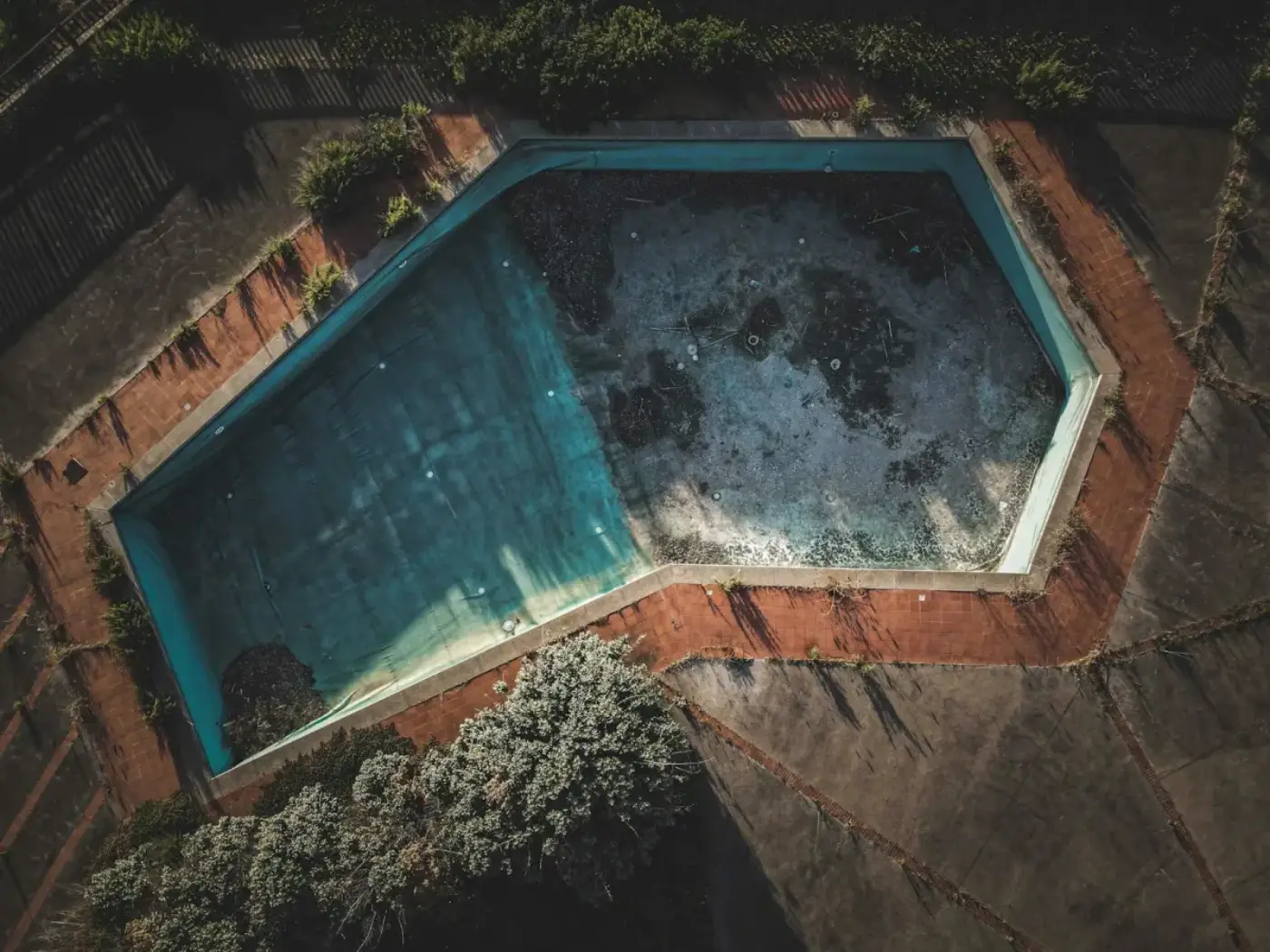
Gray-blue mottling, rust bleeds from rebar ties, and dark 'shadowing' that brushing ignores are surface-depth problems. White etched patches — common where San Diego's hard water and aggressive chemistry meet old plaster — mark dissolving finish.
Chemistry and water math
A surface at end-of-life drinks chemicals: pH that will not hold, calcium demands climbing, and algae gripping rough spots no brush reaches. Unexplained water loss beyond evaporation norms points at shell cracks or fittings — worth a bucket test before blaming the surface alone.
Timing the project
Plaster runs roughly 10-15 years here, pebble 15-20-plus. Resurfacing before failure is elective and schedulable — after failure it is urgent and pricier. San Diego's mild winters make October-through-spring the smart booking window, with the pool back before Memorial Day.
A five-minute self-check
Run a hand over the steps and shallow-end floor, photograph the worst stains, review a month of chemical spend, and bucket-test if water loss is suspected. That file gets you an accurate assessment — often without a first visit.