Skip to content
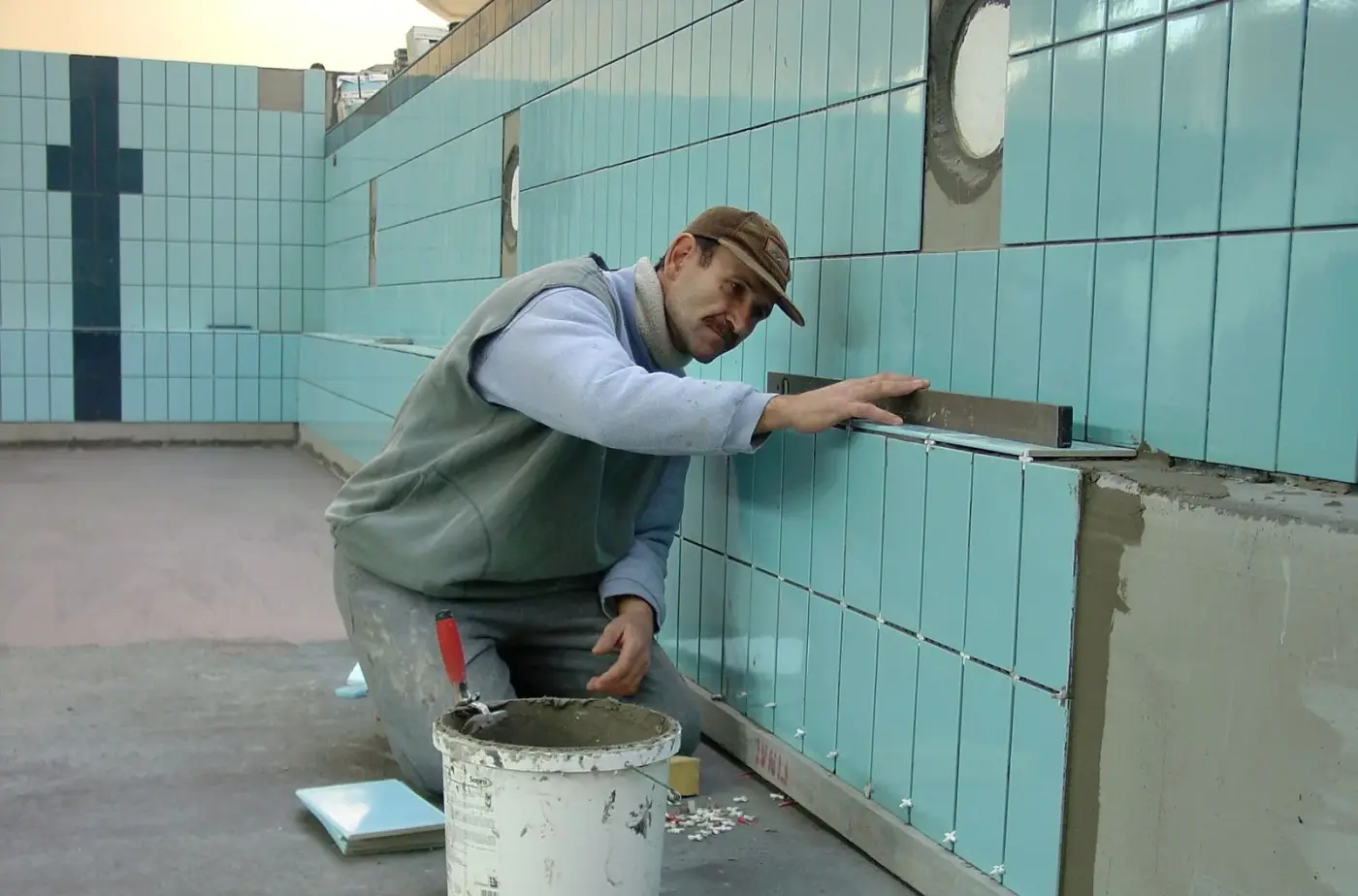
Setting new waterline tile on a drained pool

Pool Tile & Coping

Repairing Your Pool's Tile and Coping in San Diego

Loose tiles or crumbling coping can affect your pool's appearance and safety. Addressing these issues helps maintain your San Diego pool's condition.

Service for restoring waterline tile and perimeter coping is available to help ensure a functional edge and a refined look for your pool.

Common Pool Tile & Coping Problems

Pool tile and coping can show wear from San Diego's climate, including sun exposure and water conditions. Loose waterline tiles may contribute to leaks, while cracked or deteriorating coping can present a safety concern. Addressing these involves removing damaged sections, preparing the area, and installing new materials.

Waterline Tile Issues

The tile at your pool's waterline is consistently exposed to water and pool chemicals. Over time, this can lead to tiles becoming loose, cracking, or developing buildup. Replacing damaged waterline tiles can improve your pool's appearance and help prevent water from reaching the underlying structure.

Coping Repair and Replacement

Coping forms the pool's edge, connecting the pool to the surrounding deck. Whether made of concrete, stone, or brick, coping can develop cracks, chips, or loosen. Repairing or replacing damaged coping is important for safety and for maintaining the overall look of your pool area.

Coastal Exposure Effects

Proximity to the coast in San Diego means your pool's tile and coping may be exposed to salt air, which can contribute to wear. This can manifest as staining or degradation of materials. Regular attention and timely repairs can help manage these effects.

Preparing for Tile and Coping Work

Before beginning tile and coping repairs, it's advisable to check for any underlying plumbing or structural concerns. Ensure the pool water level is managed appropriately for the work. Depending on the scope of repairs, local city permits may be relevant.

What to Check Before Repair

  • Identify loose or cracked tiles.
  • Inspect coping for chips, cracks, or shifting.
  • Note grout condition or staining.
  • Look for signs of water leakage behind tiles.
  • Assess the condition of the surrounding deck.
  • Consider how new tile or coping will integrate with existing elements.
  • Inquire about any necessary permits with local authorities.

Related Pool Services

Other aspects of your pool may also require attention. Explore services that can complement repairs and support your pool's overall condition.

Tile and Coping FAQs

How often should pool tile be cleaned?

Regular cleaning of pool tile is suggested every few months to manage buildup. More thorough cleaning might be beneficial annually, depending on water chemistry and local environmental factors.

What causes pool coping to crack?

Cracking can occur due to ground movement, installation factors, or shifts in the surrounding deck over time. While less common in San Diego, temperature fluctuations can also play a role.

Can I replace just a few tiles?

Yes, replacing individual loose or damaged tiles is often feasible. Matching new tiles to existing ones can be difficult due to potential fading and manufacturing differences over time.

What is the difference between tile and coping?

Pool tile is typically located at the waterline, while coping forms the pool's edge, serving as a cap and transition to the deck. Both have decorative and functional roles.

Call Now (858) 365-4686